Registered Nurse assessments and care planning

About Us
Nurse-Led Specialist In Complex and High-Intensity Care
Nurse-Led Specialist In Complex and High-Intensity Care

Our Service
Blueblossom Health Services provides clinically governed disability support for participants who require more than standard care. Our services are built around safety, dignity, structure, communication and long-term independence.
We support participants with complex health needs, high-intensity supports, nurse-led home and living pathways, behaviour support implementation, personal care, community access, domestic assistance, capacity building and hospital discharge needs.
Everyday support becomes safer when it is guided by clinical understanding.
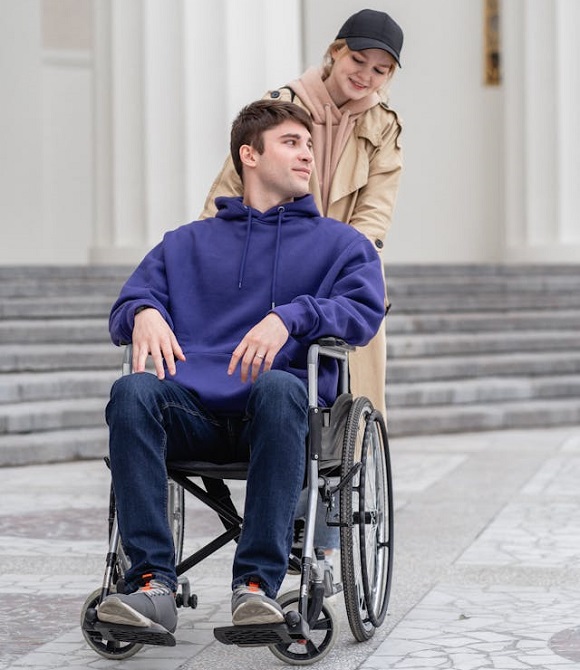
When care becomes complex, clinical oversight matters. Blueblossom Health Services provides nurse-led support for participants who require structured care planning, Complex behaviour support, health monitoring, medication support, wound care, continence support, and ongoing communication with families, Support Coordinators and health professionals.
Our Registered Nurse-led model helps identify changes early, guide support workers, improve documentation, and support safer care delivery in the community.
Supports may includeRegistered Nurse assessments and care planning
Medication support and seizures management
Wound care, pressure area and skin integrity support
Continence assessments and support planning
Diabetes support and health observations
Care plan development and review
Ventilation Support and Palliative care.
Participants with complex and high-intensity needs require more than routine support. They need clear care plans, trained workers, risk awareness, documentation, communication and clinical oversight.
Blueblossom Health Services supports participants with complex health presentations, high-intensity daily support needs, changing risks, and support requirements that need careful planning and consistent delivery.
High-intensity daily personal activities are covered by supplementary NDIS Practice Standards, and providers registered for that support class must be assessed against relevant standards. The NDIS Commission also publishes high-intensity support skills descriptors that explain worker skills and knowledge linked to those supports.
Supports may includeSupport worker guidance under clinical care plans
Health monitoring and risk identification
Medication-related support according to care plans
Complex behaviour support
Complex continence support
Complex wound support
Enteral feeding / PEG-related support where appropriate
Diabetes-related support and observations
Mobility, manual handling and transfer support
Documentation and escalation pathwayst
Stakeholder communication when risks changes
Support for participants with higher daily care needs
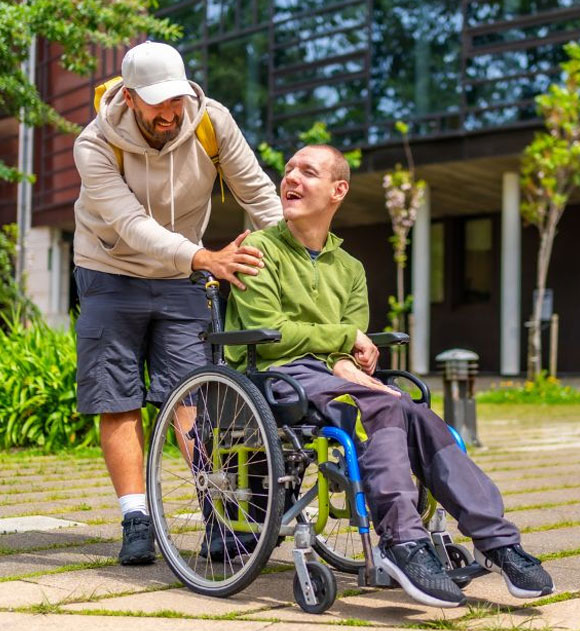
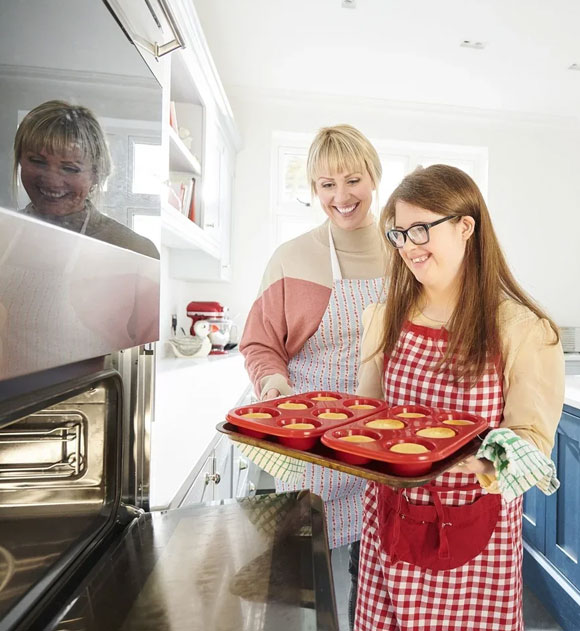
Blueblossom Health Services supports participants with home and living pathways designed around safety, choice, stability and independence. This may include Supported Independent Living, Individualised Living Options, Specialist Disability Accommodation and respite or short-term accommodation pathways.
Our nurse-led approach helps participants, families and Support Coordinators consider the person’s goals, daily support needs, health risks, behaviour support needs, informal supports, routines and long-term living outcomes.
We focus on creating living arrangements that feel safe, respectful and sustainable — not just placing someone into a house.
The NDIS uses “home and living” as the broader category for different living options and supports. SIL helps participants live as independently as possible while building skills; ILO helps participants make choices about where they live, who they live with and how they are supported; and SDA is housing for people with extreme functional impairment or very high support needs.
We support complexity with structure, skill and clinical awareness.Supported Independent Living: daily personal support and supervision to help participants live as independently as possible and build skills. NDIS provider guidance describes SIL as personal support for people with higher support needs who need help at home across the day and night.
Individualised Living Options: support to explore where a participant lives, who they live with, and how they want to be supported. ILO can involve family, friends and community networks alongside paid supports.
Specialist Disability Accommodation: housing designed for people with extreme functional impairment or very high support needs. SDA is Specialist housing designed for participants with extreme functional impairment or very high support needs, helping them live more independently while allowing supports to be delivered safely.
Respite / Short-Term Accommodation: short-term support options that may assist participants and families during temporary support needs, breaks from informal supports, transitions, or changes in circumstances.
Blueblossom Health Services supports participants with behaviours of concern by working alongside behaviour practitioners, families, Support Coordinators and care teams to implement person-centred strategies with consistency and respect.
Our approach focuses on understanding triggers, maintaining predictable routines, reducing escalation, supporting dignity and creating calmer support environments.
Supports may includeBehaviour support plan implementation
Consistent staff approach and routines
Positive behaviour support strategies
Documentation and incident reporting
Stakeholder communication
Risk identification and escalation
Support with emotional regulation and daily structure
Reducing environmental triggers where possible
Promoting dignity, choice and safety

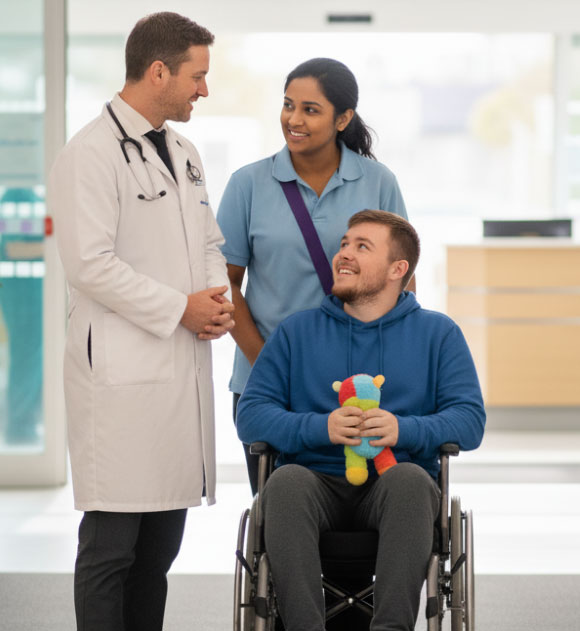
We focus on creating living arrangements that feel safe, respectful and sustainable — not just placing someone into a house.
Hospital discharge can be complex when a participant has reduced mobility, high support needs, health risks, behavioural concerns or limited informal support. Blueblossom Health Services can work with participants, families, Support Coordinators and hospital teams to help establish safe supports after discharge.
Our nurse-led model helps support care planning, risk identification, medication routines, personal care, accommodation pathways and ongoing monitoring during the transition period.
We support complexity with structure, skill and clinical awareness.Pre-discharge communication with stakeholders
Nursing assessment and care planning
Post-discharge personal care and daily living support
Medication support and health monitoring routines
Home and living pathway support
Staff briefing and support plan implementation
Monitoring changes after discharge
Escalation if health or risk concerns arise
Alongside our complex and high intensity supports, Blueblossom Health Services provides everyday disability supports that help participants live with greater dignity, confidence and stability.
Every support is delivered with the same Blueblossom standard: safety, respect, communication and clinical awareness.
We provide person-centred support with everyday personal care tasks while encouraging participants to remain as involved and independent as possible. Our approach focuses on dignity, privacy, choice, routine and safety.
For participants with complex health needs, personal care is also an opportunity to observe changes in wellbeing, mobility, skin condition, continence, fatigue, mood or other risks that may need early attention.
Supports may includeShowering, grooming, dressing and hygiene support
Toileting and continence routines
Meal preparation and eating support
Hydration prompts and nutrition support
Morning, evening and bedtime routines
Mobility assistance and safe transfers where required
Encouraging participation in personal routines
Monitoring and escalating changes in presentation
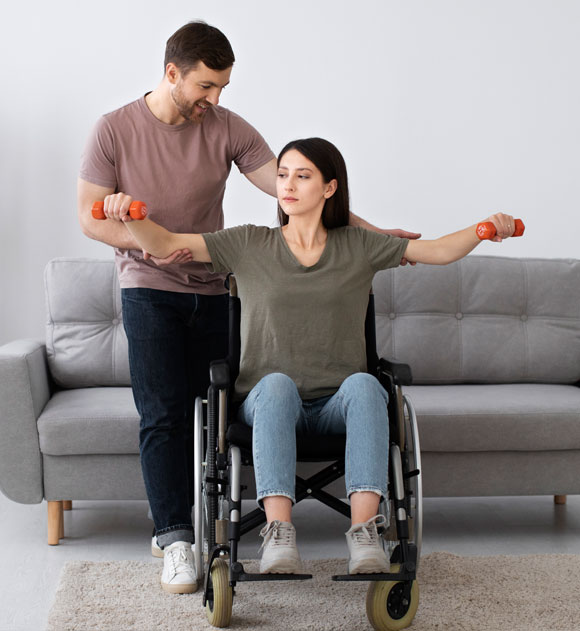

We support participants to access the community in ways that feel safe, purposeful and aligned with their goals. This may include appointments, shopping, recreational interests, social activities, family visits, community programs or developing confidence in public settings.
Our focus is not simply transport or supervision. It is helping participants build routine, connection, confidence and choice.
Supports may includeMedical and allied health appointments
Shopping, errands and personal tasks
Social outings and recreational activities
Building confidence in public places
Developing social and communication skills
Supporting routine and positive engagement
Safe community participation for participants with higher support needs
Support to attend family or community events
A clean, safe and organised home environment can make a major difference to wellbeing, routine and independence. We support participants with household tasks while encouraging involvement wherever possible, so domestic assistance can also become an opportunity for skill-building.
For participants in SIL or complex support environments, domestic assistance can support safety, infection control, comfort, dignity and predictable daily routines.
Supports may includeCleaning and maintaining safe living areas
Laundry, linen changes and wardrobe organisation
Dishes, kitchen tidying and household routines
Meal preparation support
Food safety and hygiene prompt
Decluttering and maintaining safe walkways
Supporting participants to participate in household tasks
Routine-based support to reduce overwhelm and improve stability


Our supports are designed to build skills, not create unnecessary dependence. We work with participants to strengthen everyday routines, decision-making, communication, community participation and independent living skills.
The NDIS describes capacity building supports as supports that can help build living skills, increase independence, and support involvement in the community.
Supports may includeBuilding daily routines
Independent living skill development
Meal planning and shopping practice
Budgeting and household participation
Communication and decision-making confidence
Community participation goals
Using reminders, calendars and visual prompts
Working gradually toward participant-led independence
Strong support begins with a clear understanding of the participant’s needs, risks, routines, goals and environment. Our nurse-led assessments and care planning help ensure supports are structured, appropriate and responsive to change.
This is especially important for participants with complex health needs, continence needs, falls risk, medication support, behavioural support needs, high-intensity requirements or frequent changes in presentation.
Supports may includeNurse-led care assessments
Risk identification and escalation planning
Personal care and daily living support planning
Continence, skin integrity and mobility considerations
Medication support and health monitoring guidance
Staff instructions and support worker guidance
Communication with families, Support Coordinators and clinicians
Review and adjustment of care needs over time